
Buying a used car is exciting, but it often comes with unexpected “surprises.” One of the most common—and frustrating—is the sudden appearance of the TPMS warning light. For used car buyers, this light is more than just an inconvenience. It raises several important questions: Is it simply a tire pressure issue, or could it signal an undisclosed mechanical problem? Will the repair costs be higher than expected? As a trusted authority on consumer rights in the automotive industry, we’ve created this guide to demystify the TPMS warning light. It will help you confidently diagnose, fix, and prevent this issue—while ensuring compliance with international automotive standards.
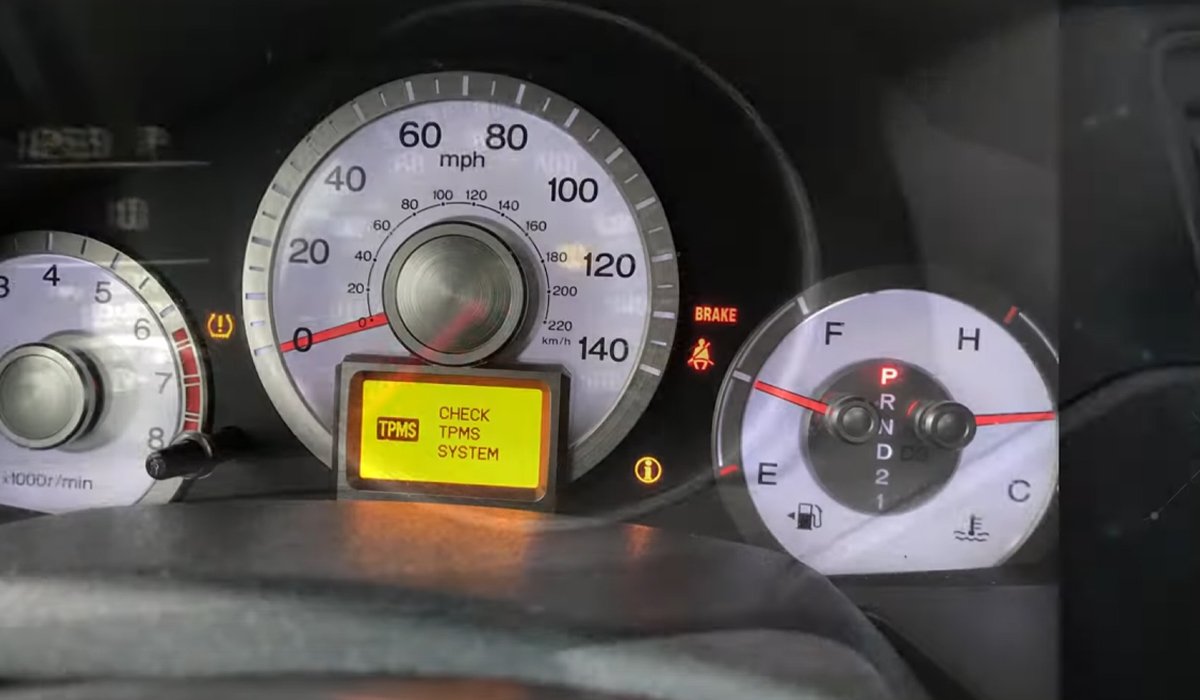
Understand the TPMS Warning Light: Essential Knowledge for Every Used Car Buyer
Before discussing solutions, understanding the meaning of the TPMS Warning Light and why it requires immediate attention is crucial. Unlike other dashboard lights that indicate minor issues, the TPMS Warning Light is a key safety alert. Global regulations, such as the U.S. TREAD Act and UN Regulation No. 141, clearly mandate this requirement.
Industry practices show that the TPMS Warning Light is a common issue in used and long-term vehicles. Fortunately, many problems, such as low tire pressure or sensor battery depletion, can be resolved with simple troubleshooting steps.
These regulations are necessary because improper tire pressure—whether too high or too low—greatly increases the risk of hydroplaning, tire blowouts, and extended braking distances. This is especially critical in used vehicles, where tires and other components may be worn, making precise tire pressure monitoring even more essential.
Core Definitions: Direct TPMS vs Indirect TPMS
Not all TPMS systems function the same way. Understanding the difference between direct and indirect systems is crucial when diagnosing TPMS warning light issues in used cars. This knowledge will help you avoid being misled by repair shops or sellers.
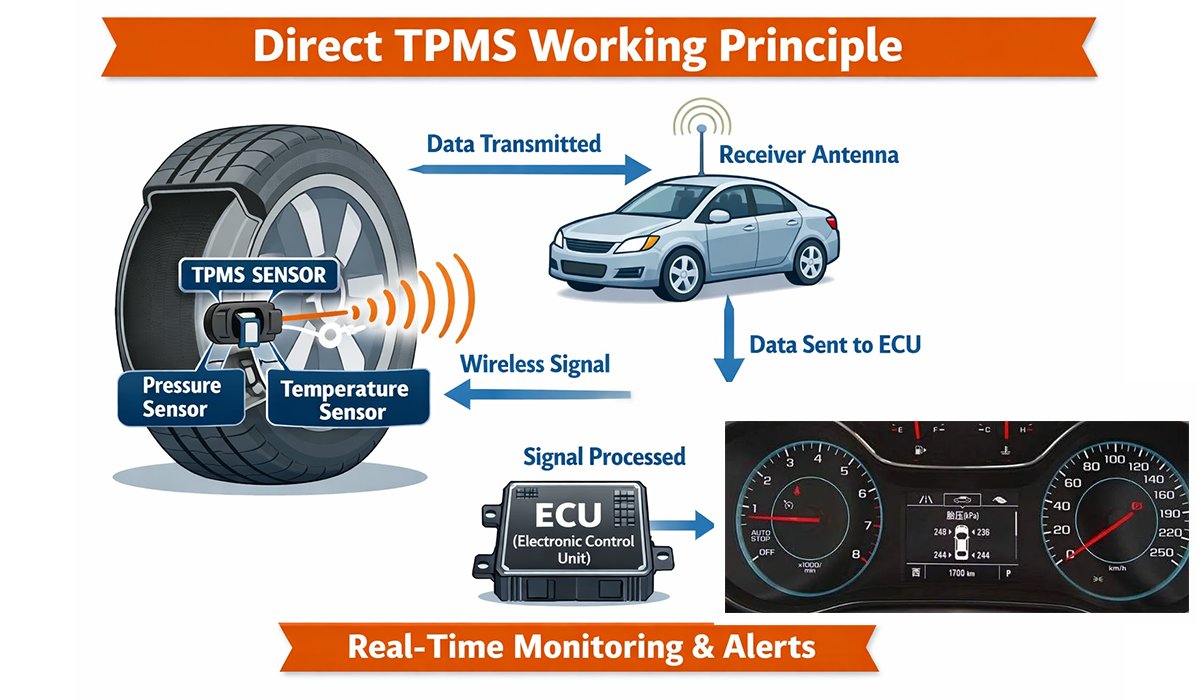
Direct TPMS (dTPMS): This system uses pressure sensors installed inside each tire (typically attached to the valve stem). It directly measures tire pressure and temperature, sending real-time data to the car’s Electronic Control Unit (ECU). Most modern cars (manufactured after 2010) use direct TPMS. The TPMS warning light typically appears when tire pressure is 25%-30% below the recommended value. If the direct TPMS warning light flashes, it usually signals a sensor issue, such as a dead battery, rather than a tire pressure problem.
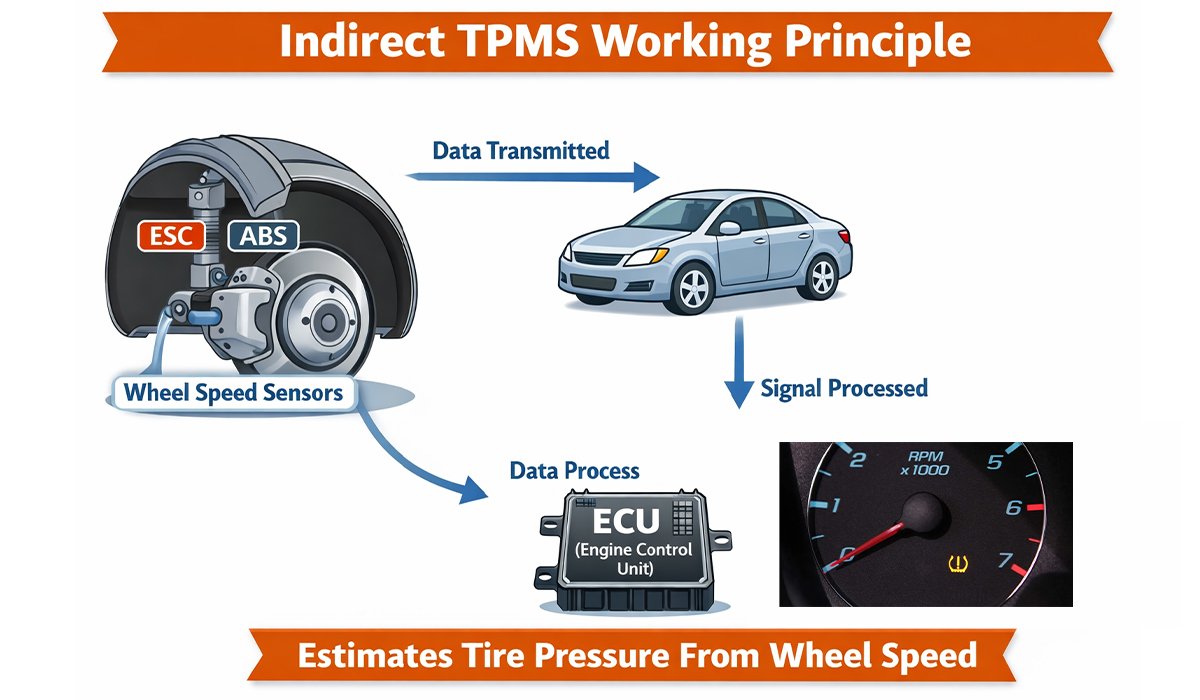
Indirect TPMS (iTPMS): Older used cars (produced before 2010, commonly found in some European and Japanese models) use this system. It relies on the vehicle’s Anti-lock Braking System (ABS) wheel speed sensors. The system detects tire pressure loss by monitoring wheel speed differences—underinflated tires have smaller diameters and spin faster. Indirect TPMS can trigger false warnings (for example, on uneven surfaces or after tire rotations) and doesn’t provide real-time tire pressure readings.
Global TPMS Standards Comparison (Essential for International Used Car Buyers)
| Region/Standard | Main Frequency | Core Protocol Requirements | Annual Inspection Compliance | Used Car Adaptation Notes |
|---|---|---|---|---|
| North America (U.S./Canada, TREAD Act) | 315 MHz | Supports Schrader, TRW protocols, must be compatible with vehicle VIN binding | Must pass DOT certification; sensor signal must be functional for passing inspection | Imported used cars need to switch to 315 MHz sensors to avoid frequency mismatch |
| Europe (EU, UN R141) | 433 MHz | Beru, Continental protocols, must comply with eMark certification | TPMS system should have no error codes; sensor battery voltage ≥ 2.0V | Some older cars in Eastern Europe may use iTPMS; ensure compliance |
| APAC (China/Japan/Korea) | 315 MHz/433 MHz (315 MHz common in Japanese cars, 433 MHz in Korean cars) | Toyota/Honda have exclusive protocols; general protocols need to match car model | China: Must meet GB 26149 standards; Japan: Must pass JIS certification | Cross-border used cars need to check original frequency to avoid inspection failure due to modifications |
If you want to verify which system your used car uses, check the owner’s manual (if available), or inspect whether the valve stem has a sensor (for direct TPMS) or if the tire has no sensor (for indirect TPMS). You can also use a basic onboard diagnostic (OBD) scanner to read the TPMS data—an affordable tool worth investing in for used car owners. For TPMS activation, you can purchase a TPMS activation tool here
Step-by-Step Guide to Resolving the Used Car TPMS Warning Light
When the TPMS warning light illuminates in a used car, it usually indicates one of several issues. Following the correct diagnostic path will help you efficiently resolve the problem. The core method is to first observe the status of the warning light (solid or flashing) and then proceed with the corresponding troubleshooting steps.
Step 1: Observation and Diagnosis — Determine the Problem Based on the Warning Light Status
| Warning Light Status | Core Cause | Main Troubleshooting Direction |
|---|---|---|
| Solid TPMS Warning Light | Data Anomaly | The system has received data, but there’s an issue with it (e.g., low pressure, sensor reading error). |
| Flashing Then Solid TPMS Warning Light | Signal Loss | The system is unable to receive signals from one or more sensors. |
Step 2: Targeted Troubleshooting and Resolution
Based on what you observe in Step 1, choose the appropriate troubleshooting path below.
Path 1: Troubleshooting for Solid TPMS Warning Light
This status indicates the system can communicate, but the data is incorrect.
- Check Actual Tire Pressure
Use a reliable tire pressure gauge to measure all four tires and the spare (if equipped with TPMS). Compare the pressure against the standard values listed on the door pillar or fuel cap.
Result:- If all tire pressures are normal, proceed to the next step.
- If the pressure is too low/high, adjust and drive a few miles. The light should go off automatically.
- Check Sensor Data
Use a dedicated TPMS diagnostic tool or compatible OBD scanner to read the real-time data from each sensor (ID, pressure, temperature, battery voltage).
Diagnostic Key:- If any sensor shows no data or the battery voltage is below 2.0V, the sensor battery is depleted and needs replacing.
- If pressure/temperature readings are unusually different (compared to other tires), the sensor may be faulty and needs replacement.
- When replacing sensors, ensure the frequency (315MHz/433MHz) and protocol match the vehicle’s specifications, and perform the learning/matching process.
- Check System Module
If all sensor data is normal but the light remains on, the issue might be with the receiver module or the instrument cluster. Check the TPMS receiver’s (usually inside the vehicle) wiring connections for looseness or corrosion. Lastly, try resetting the system (follow the vehicle’s manual instructions).
Path 2: Troubleshooting for Flashing Then Solid TPMS Warning Light
This status means that during system initialization, one or more sensor signals could not be recognized.
- Activate and Identify Sensors
Use a TPMS activation tool (e.g., VT56) to activate each sensor by bringing it close to the tire valve.
Diagnostic Key:- If a sensor does not respond, the battery is likely depleted or the sensor is completely damaged and needs replacing.
- If all sensors activate and the IDs are readable, the issue may be that the sensors were not successfully matched after the last replacement, or there is a problem with the receiver module.
- Check Sensor Matching and Compatibility
Verify that the sensor IDs stored in the vehicle’s memory match the actual IDs on the tires. For used cars, it’s possible that the tires/sensors were replaced but not matched properly. If sensors were replaced, ensure their frequency and protocol are compatible with the vehicle’s original system. - Check Vehicle Power Supply
In rare cases, a low vehicle battery voltage (below 12.4V) could lead to unstable TPMS power supply, causing signal loss. Check the battery’s health status.
Summary Recommendations
- Avoid Blind Resetting: Resetting the system without identifying the cause may temporarily turn off the light, but the problem will return.
- Prioritize Hardware Checks: For used cars, sensor battery failure due to age is the most common fault, and direct replacement is the most thorough solution.
- Use Professional Tools: A TPMS diagnostic tool can quickly locate the faulty sensor, avoiding guesswork and the hassle of removing each tire.
[Knowledge Extension] TPMS Signal Journey and Common Failure Points
After mastering the above diagnostic logic, you can dive deeper into the root causes of failures from a system principle perspective. The complete journey of a TPMS warning light signal is as follows:
Sensor collects data → Transmits RF signal → Receiver module decodes it → Signals are transmitted via wiring to the ECU → Final display on the dashboard.
For used cars, the following parts of this “signal chain” are especially vulnerable and are common failure points during troubleshooting:
- Signal Reception Failure: The receiver module’s antenna may degrade or shift, causing weak or lost signals (usually resulting in “signal loss” issues).
- Signal Transmission Interruption: Wiring in the doors, chassis, or other areas may be damaged due to water exposure, aging, or corrosion, interrupting the signal transmission (which can lead to “signal loss” or “data anomaly”).
- System Processing Error: An outdated or faulty ECU software version may cause signal processing errors, leading to system misjudgments.
- Signal Source Failure: The sensor’s battery may run out (typically after 5-7 years) or internal components may age, causing signal generation or transmission failures. This is one of the most common failure causes, requiring sensor replacement.
By understanding the full signal flow and these key failure points, you’ll gain a clearer understanding of repair suggestions such as “replace the receiver module,” “repair wiring,” or “match sensors,” enabling more effective communication with technicians and decision-making.
Once you’ve grasped the above diagnostic logic, we will begin with the simplest (and cheapest) solutions, gradually troubleshooting and resolving the issues.
Step 1: Check and Correct Tire Pressure (Key Primary Step)
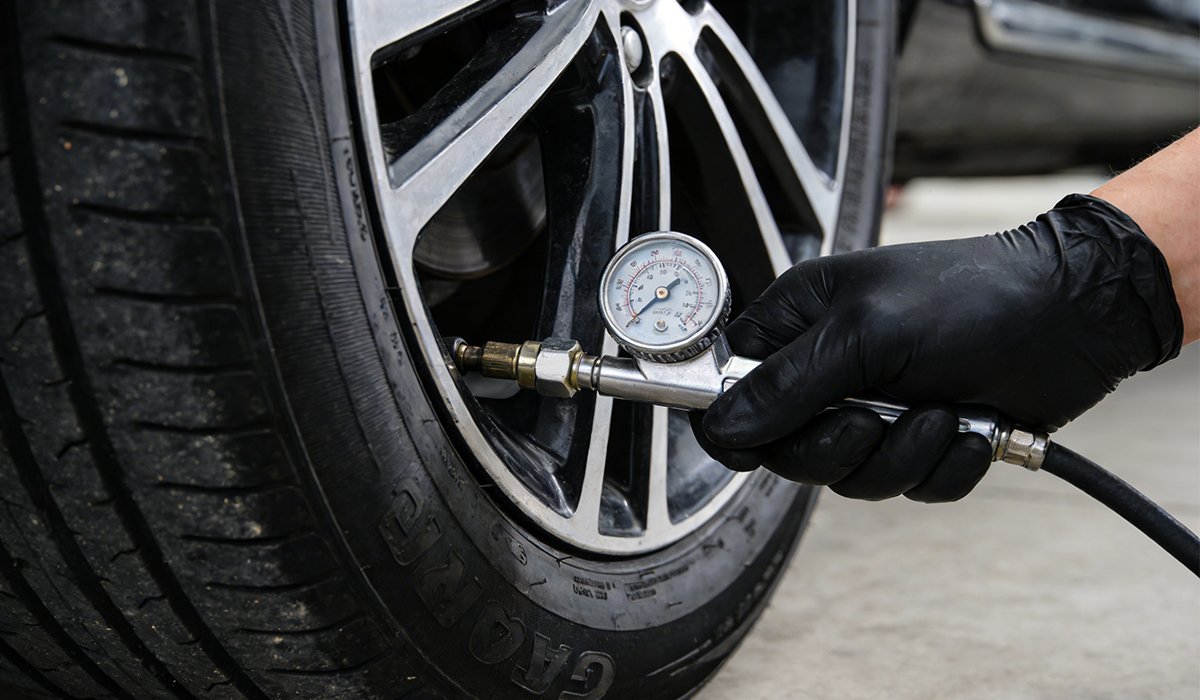
Before assuming a sensor or system fault, first confirm whether the tire pressure is normal. This step takes 10 minutes and almost no cost:
- Check in cold conditions: Tire pressure increases after driving (it may rise by 0.2-0.3 bar). For an accurate reading, check the pressure in the morning or after the car has been parked for at least 3 hours.
- Use a reliable tire pressure gauge: Digital gauges are more accurate than analog ones (available in auto parts stores for 10-20 USD/9-18 EUR). Measure the pressure of all four tires and the spare tire (if monitored).
- Adjust to manufacturer standards: If tire pressure is low, inflate it at a gas station or use a portable pump. If pressure is high, slowly release air using a small tool. Refer to the standard value on the door frame sticker — never use the maximum pressure marked on the tire sidewall (this is the tire’s limit, not the vehicle’s recommended value).
- Check for leaks: Apply soapy water to the tire and valve. Bubbles will appear at the leak point. Small punctures can be temporarily sealed with a tire repair kit, but permanent repairs require professional patches (repair costs are approximately 20-50 RMB/2.8-7 USD/2.6-6.5 EUR, based on January 2026 exchange rates).
After correcting the tire pressure, drive at 40-60 km/h (25-37 mph) for 5-10 minutes. For many vehicles (especially those with indirect TPMS systems), the TPMS Warning Light will automatically turn off once the system recalibrates. If it remains on, proceed to the next step.
Step 2: Manual Reset of the TPMS (Model-Specific Methods)
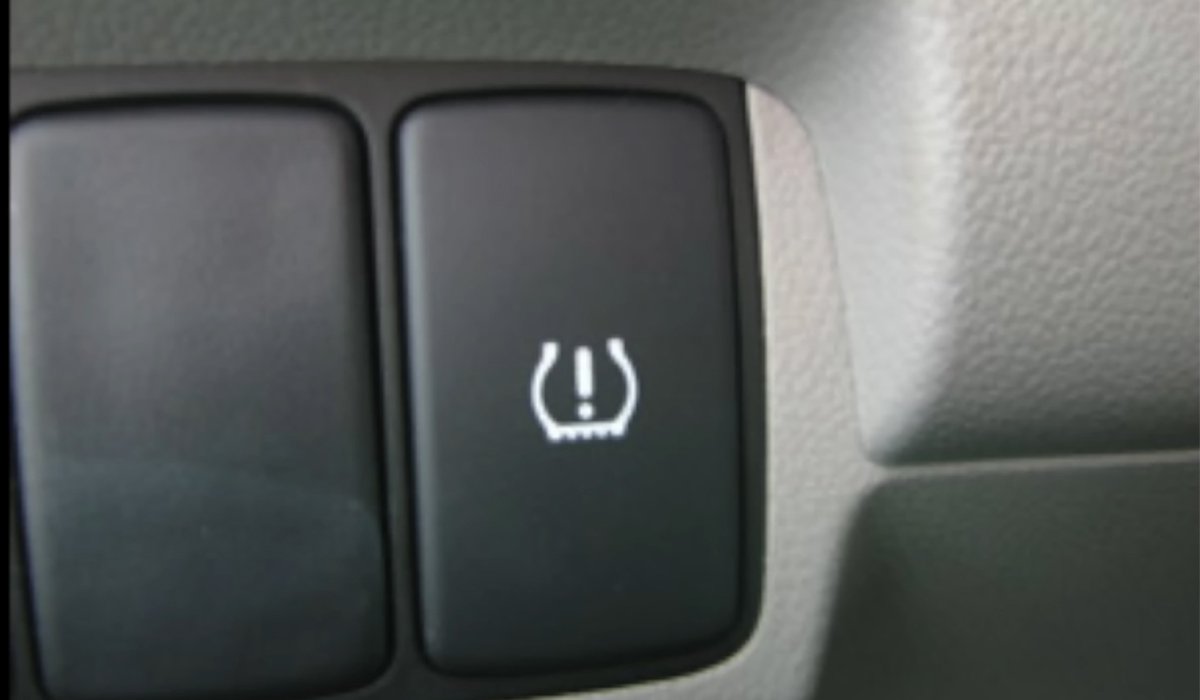
If the tire pressure is normal but the TPMS Warning Light remains on, the system may need a manual reset and recalibration.
General Prerequisites: Before resetting, ensure that all four tires (and the spare) are set to the manufacturer’s standard pressure. The vehicle should be parked on level ground, and the ignition switch should be turned to the “ON” position (electrified but without starting the engine).
Here are the reset methods for common models (after performing these steps, drive the car for a while to complete the system learning):
Tip: The most accurate method can be found in the Owner’s Manual. If the manual is lost, try checking the brand’s official website for an electronic version or consult the dealer or a professional repair shop. Do not attempt blindly to avoid mistakes.
Method 1: SET Button Reset (Common in German and American Models)
This method is most commonly used for indirect TPMS systems.
Many Volkswagen, BMW, Mercedes-Benz, Ford, and GM models come with a dedicated reset button.
- Find the button with the tire pressure icon or “SET” label (usually near the gear shift, inside the glove box, on the center console, or the driver’s side door panel).
- Press and hold the button for 3-5 seconds until the TPMS Warning Light on the dashboard flashes 2-3 times and then turns off.
- Follow the on-screen prompts to drive and complete the recalibration.
Method 4: Tire Deflation Learning Method (Some GM, Ford Models)
This method is used after sensor replacement or when the system cannot be reset via the button. If deflation doesn’t trigger a response, a TPMS activation tool is required for activation and matching.
- Start with the left front tire and slowly deflate it for about 5-10 seconds or until you hear the horn sound (or the hazard lights flash), indicating the sensor has been recognized.
- Repeat the deflation process in sequence (common order: left front → right front → right rear → left rear, but confirm in the manual) until all four tires are recognized.
- If there is no response, use a TPMS activation tool to trigger the activation and matching.
- Inflate all tires to the standard pressure.
- Drive the vehicle, and the system will automatically complete the learning process. The TPMS Warning Light should turn off after a short distance.
Final Step: Regardless of the method used, after the reset, you usually need to drive the vehicle at a moderate speed (40-80 km/h or 25-50 mph) for 5-10 km to allow the system to complete self-learning and calibration. Some models may require the vehicle to be turned off and on again after driving for the warning light to fully turn off.
Step 3: Solving Sensor Issues (If Manual Reset Fails)
If the TPMS Warning Light stays on after manual reset, the problem likely lies with one or more tire pressure sensors. As a used car buyer, you have three options to fix this (sorted by cost):
Option One: Check Sensor Battery and Programming
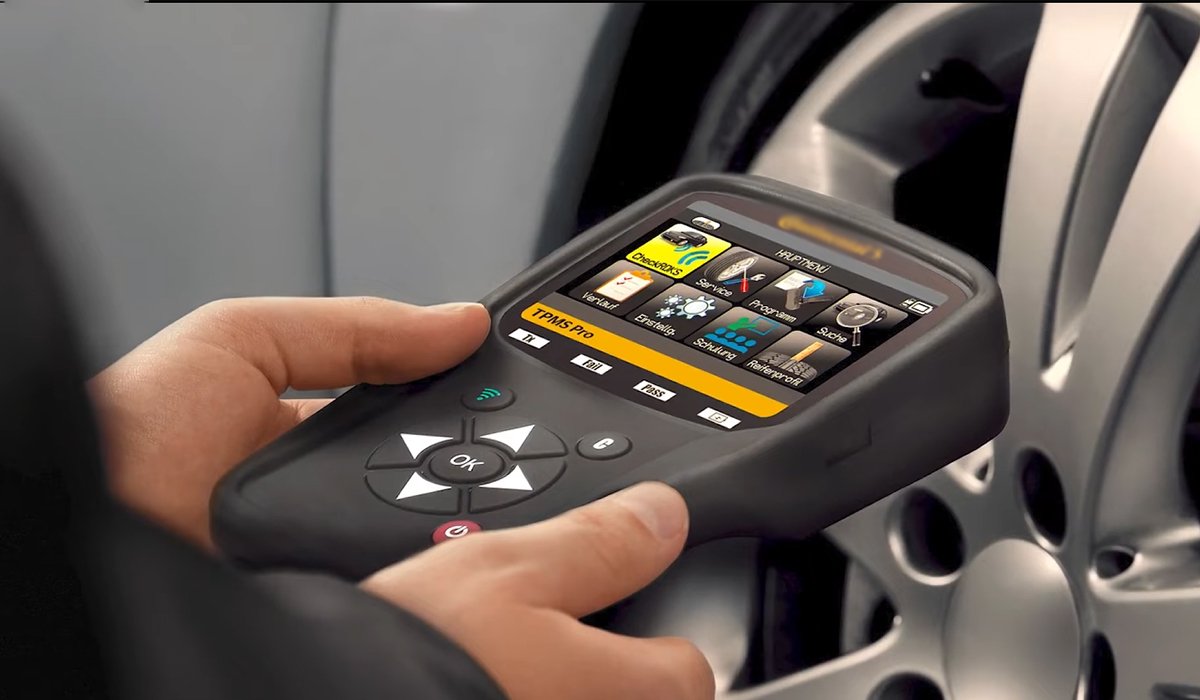
Sensor battery failure or mismatch is the most common root cause:
- Scan with an OBD-II tool: Use a TPMS-capable scanner (e.g., Autel AL319, about 50–100 USD / 46–92 EUR) to read each sensor’s ID, battery level, and error codes. This tells you which specific sensor is bad and avoids replacing all four.
- Reprogram sensors: If a sensor is good but does not communicate with the car, reprogram it. For example, GM systems require writing the sensor ID to the car’s ECU via OBD learning. Toyota systems often let the sensor “announce” itself during activation.
- Replace sensors: If a sensor’s battery is dead or the sensor fails, replace it. Aftermarket TPMS sensors (about 20–50 USD / 18–46 EUR each) are cheaper than many OEM units (about 50–150 USD / 46–138 EUR each). Make sure the sensor’s frequency and protocol match your vehicle. You can easily order compatible parts here: Click to Buy TPMS Sensors.
Option Two: Professional Diagnosis (For Complex Faults)
If you are unsure how to check sensors or your scanner shows complex fault codes (e.g., “TPMS module fault”), go to a reputable repair shop:
- Diagnosis fee: About 50–100 USD / 46–92 EUR (often waived if you repair there).
- Typical repair items:
- TPMS module replacement (200–500 USD / 184–460 EUR),
- Wiring repair (100–300 USD / 92–276 EUR),
- Sensor replacement (see above).
- Regional cost examples (for reference only):
- Germany/Austria: 200–250 EUR,
- France/Spain: 200–300 EUR,
- USA: 150–300 USD,
- China: 100–300 CNY (≈ 14–42 USD).
Option Three: Upgrade with an Aftermarket TPMS Kit
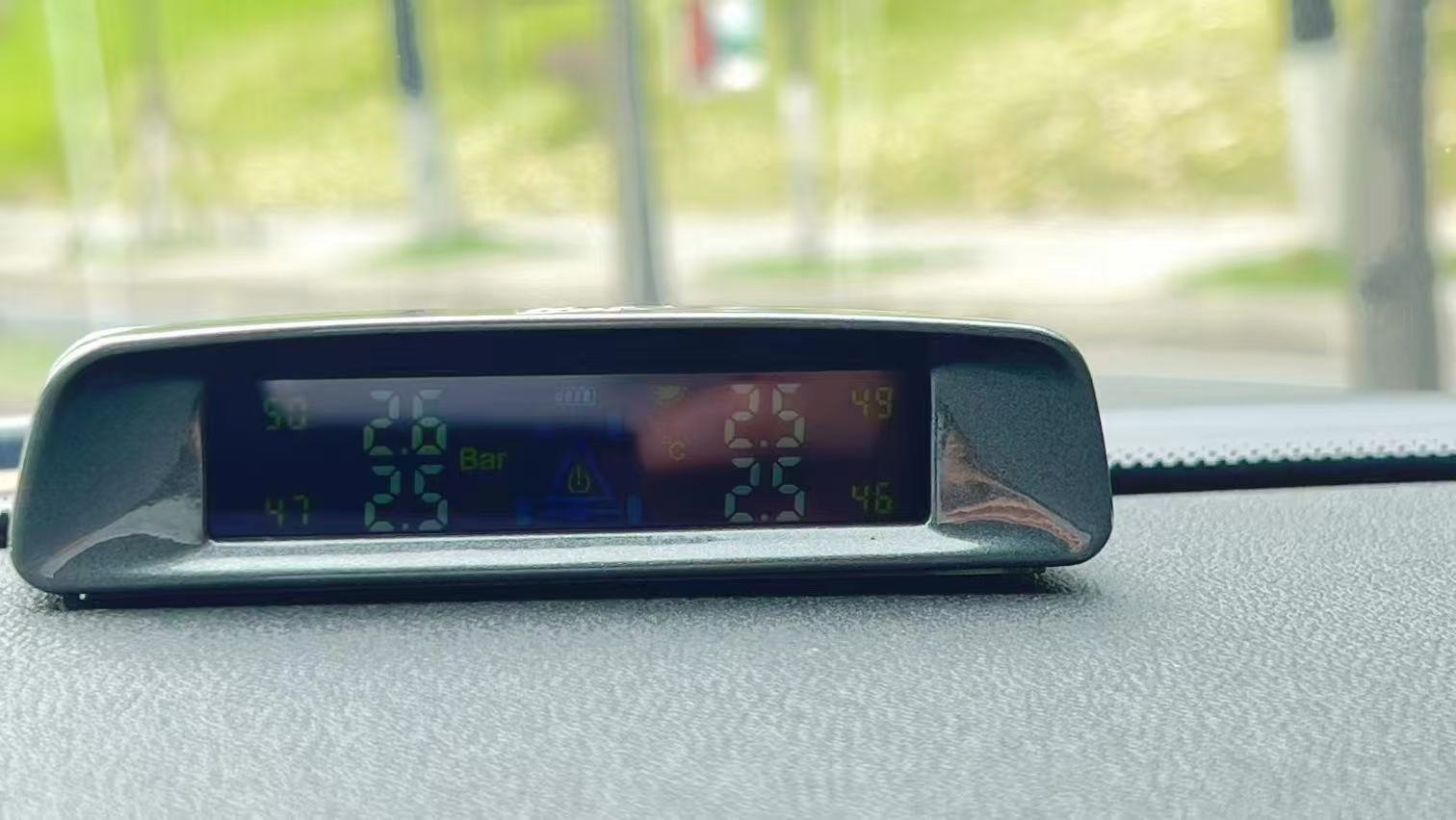
If your used car has an indirect TPMS that fails often, or it lacks TPMS entirely (illegal in many regions), consider installing a direct TPMS aftermarket system. These kits (about 100–300 USD / 92–276 EUR) include four sensors and a display unit that shows real-time pressure and temperature data. They reduce false alerts and add useful monitoring.
Buy Here: Click to Buy a TPMS Upgrade Kit — make sure the kit matches your region’s frequency and certification requirements.
Important Reminder: Imported used cars must use sensors that meet destination country standards (e.g., 433 MHz with eMark certification in the EU). Otherwise, they may fail inspections. Therefore, always confirm local compliance with transport authorities or trusted installers.
Pitfalls to Avoid: International Used Car TPMS Guide
Tool Selection Tips
When buying a TPMS diagnostic or programming tool, ensure it supports multiple brands and regional protocols. Choose professional models like the VT56, which offer broad compatibility, to avoid issues with incompatible protocols. This is especially crucial for international used car buyers.
Negotiating Repairs and Choosing Parts
- Diagnosis Fees: Some repair shops offer TPMS diagnostics that may be deducted from the final repair cost. Always ask about this policy before the diagnostic.
- Sensor Selection: When replacing sensors, compare OEM parts with certified aftermarket brands (ensure compliance with local certifications like DOT in the USA or e-mark in the EU). Certified brands often provide better value, but make sure their frequency and protocol match the vehicle and local regulations.
Core Compliance Reminders (Case Studies)
Imported used cars or replacements of TPMS sensors must comply with the legal frequency and certification standards of the destination country. Failure to do so can cause system failure, frequent false alerts, and may even affect annual inspections. If the TPMS Warning Light appears, it could indicate that the sensor or system is not properly matched to local regulations.
- Case 1: A Toyota imported from Japan to Canada had the original 433 MHz sensor, which was incompatible with North American 315 MHz standards. This caused the TPMS Warning Light to trigger errors, preventing it from passing the annual inspection. The solution was to replace the entire sensor set at a cost of approximately 200 USD.
- Case 2: A Ford imported from the US to Europe had the 315 MHz sensor, which wasn’t replaced with the EU’s required 433 MHz sensor. This resulted in frequent false alerts while driving on highways due to frequency mismatch.
Practical Tips
Before importing a vehicle or undertaking significant repairs, it’s wise to consult with authorized vehicle inspection agencies or reputable repair shops in the destination country to ensure compliance. Relevant regulations can be checked through official sources such as the EU’s EUROPA or the US NHTSA websites.
Used Car Buyer Key Tips: How to Avoid TPMS Warning Light Issues
The best way to deal with the TPMS Warning Light is through prevention. By following these expert tips during the buying process, you can effectively avoid potential Tire Pressure Monitoring System issues:
1. Pre-Purchase Visual and Functional Inspection
- Check Tire Condition and Age: Look for the DOT code on the sidewall (the last four digits indicate the production week/year). Tires over 6 years old, even with good tread, may have rubber degradation, leading to air leaks and potentially damaged sensors. This is a valid reason to negotiate or request replacements.
- Check the Sensor Valve Stems: Inspect the valve stems (especially rubber ones) for cracks, hardening, or signs of non-original replacements. Damaged or aging valve stems are a common cause of slow leaks and sensor failure.
- Test the TPMS System on Site: Ask the seller to start the vehicle in front of you and watch the dashboard. The normal TPMS Warning Light should illuminate for a few seconds during the self-check and then turn off automatically. If the light stays on or flashes, this indicates a current system fault, and you must request a full diagnostic before considering the purchase.
2. Actively Request and Verify Relevant Records
- Ask the seller for all the complete maintenance records related to the tires, including tire rotations, replacements, puncture repairs, and any TPMS repair history. Frequent TPMS repair records may indicate persistent air leak issues or sensor faults.
- For imported used cars, this check is especially important. You need to confirm that the TPMS frequency and certification comply with local regulations (e.g., North America 315 MHz/DOT, Europe 433 MHz/e-mark). The most reliable method is to request proof that the car has passed local compliance certification when imported (e.g., inspection report), or consult local vehicle inspection agencies.
3. Include TPMS in Professional Pre-Purchase Inspections (PPI)
- A professional PPI (costs vary by region and service depth, typically $100-$300 USD/€) must include an evaluation of the TPMS system. Inspectors should use professional diagnostic tools to read all sensor IDs, real-time pressure, temperature, and key health indicators, including battery voltage, and verify that the system can communicate and reset properly. If any issues are found, this report will be your strongest basis for negotiating repairs or adjusting the vehicle price with the seller.
4. Know Your Rights and Keep Evidence
- In most jurisdictions, sellers (especially dealerships) are legally required to disclose known, safety-impacting vehicle faults, including persistent TPMS Warning Light issues.
- Keep All Documents: Safely store the purchase contract, PPI inspection report, all communications with the seller, and any subsequent repair receipts.
- If you discover a significant TPMS Warning Light fault (e.g., all sensors fail) shortly after purchase and the seller did not disclose it, you may have legal rights to cancel the transaction or request compensation. In this case, try negotiating with the seller, and if unsuccessful, contact local consumer protection agencies (e.g., FTC in the US, European Consumer Center).
Used Car Purchase Advice
If you are looking for the right used car, click here to buy a used car to ensure that the car meets your needs and is equipped with a fully functioning TPMS system, avoiding future unnecessary headaches.
Long-Term Maintenance: How to Ensure the TPMS Warning Light Doesn’t Illuminate Unnecessarily
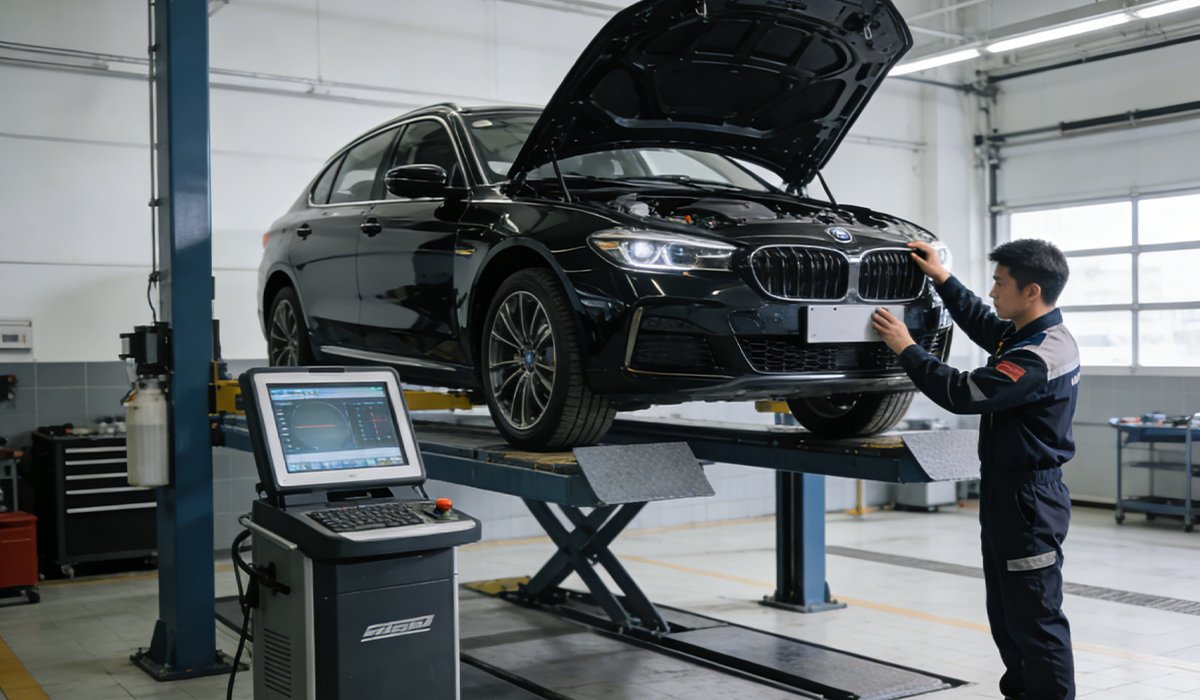
After successfully resolving the TPMS Warning Light issue, establishing a routine for long-term maintenance is key to preventing recurrence. By tracking key data and implementing predictive maintenance, you can effectively avoid unexpected failures and ensure the safety of your vehicle.
Core Maintenance Habits:
1. Perform Monthly Cold Tire Pressure Checks
- Method: After the vehicle has been parked for at least 3 hours (cold state), use a reliable tire pressure gauge to measure all tires (including the spare) and adjust to the standard values listed on the door B-pillar label.
- Purpose: Cold tire pressure readings are more accurate, avoiding the pressure variance caused by heat expansion during driving. This is the most basic and effective preventative measure, helping detect slow leaks early and preventing the TPMS Warning Light from triggering due to low tire pressure.
2. Regularly Rotate Tires and Reset the System
- Frequency: It’s recommended to rotate the tires every 8,000 to 10,000 kilometers or follow the vehicle manual’s suggestion.
- Key Step: After rotation, make sure to follow the vehicle manual’s instructions to reset/learn the TPMS system, ensuring the system correctly identifies the new positions of the sensors.
- Purpose: This helps promote even tire wear, extends the lifespan of the tires and TPMS system, and ensures accurate alerts without misreporting the tire position.
3. Plan to Replace Sensors (Prevent Unexpected Failures)
- Record & Monitor: Keep track of each sensor’s ID and installation date in your maintenance log. After 5-6 years of usage, have a technician use a diagnostic tool to check the battery voltage of the sensors.
- Proactive Replacement: When the battery voltage approaches or falls below the manufacturer’s recommended threshold (typically 2.6-2.8V) or if the signal is unstable during vehicle inspection, consider replacing the sensors ahead of time. Replacing sensors in pairs or as a complete set helps avoid the TPMS Warning Light turning on unexpectedly, especially during long trips or adverse weather conditions.
4. Protect Sensors During Tire Services
- Inform Technicians: When having tires patched, replaced, or balanced, always inform the technician that your vehicle is equipped with direct TPMS.
- Professional Requirement: Ensure that the technician uses proper tools and processes, such as using TPMS-specific protective covers, to avoid damaging the sensors and valve stems during tire dismounting or mounting.
Reader Q&A: Common Confusions about TPMS Long-Term Maintenance
Q1: What happens if I don’t reset the TPMS Warning Light after rotating my tires?
A: The system will show errors, and the warning light may point to the wrong tire. For example, if the left rear tire is underinflated but the dashboard shows a warning for the right front tire, making it difficult for you to address the issue quickly. Resetting the TPMS Warning Light after tire rotation allows the system to relearn which sensor is on which wheel.
Q2: How do I know if the sensor is completely broken, or if it’s just out of battery? Is it worth repairing?
A: Use a professional diagnostic tool. If the sensor doesn’t respond at all, it’s usually because the battery is dead or the circuit is damaged. TPMS Warning Light sensors are sealed and cannot have their batteries replaced, so “battery dead” means the entire sensor needs replacing. Repairing the sensor isn’t worth it; replacing it with a high-quality, compatible sensor is the standard solution.
Q3: Can I buy and replace the sensor myself?
A: Yes, but there are three important considerations:
- Precise matching: Ensure the new sensor’s frequency (315/433 MHz) and protocol are compatible with your vehicle.
- Professional installation: Replacing the sensor requires removing the tire and performing a balance, which typically requires professional equipment.
- Programming is required: After installation, the new sensor’s ID must be programmed into the vehicle’s computer system. Otherwise, the system won’t recognize it. For most car owners, it’s most efficient to buy the sensor and have a tire shop or repair shop handle the installation and matching.
Q4: Does tire pressure need special adjustment during seasonal changes? Will the TPMS Warning Light come on in cold weather?
A: Yes. Tire pressure decreases with temperature, dropping by about 7kPa (1psi) for every 10°C decrease. Therefore, it’s important to check and adjust the pressure when the season changes. In winter, make sure to bring it to the recommended value, as low tire pressure can trigger the TPMS Warning Light. Similarly, in summer, if the tire pressure is too high, adjust it to the standard maximum value. This is a normal physical phenomenon and can be resolved by adjusting the pressure, not an issue with the system.
Conclusion: Empowering Used Car Buyers to Take Control
The TPMS warning light in a used car doesn’t have to cause unnecessary stress. By understanding the system’s principles, following the step-by-step troubleshooting process, and taking proactive measures during your car purchase, you can address the issue safely and cost-effectively. Remember: the Tire Pressure Monitoring System is designed to protect your safety—ignoring the warning light can put you at risk, while addressing it promptly ensures your used car meets safety standards.
As a consumer, knowledge is your greatest advantage. Use this guide to confidently address TPMS issues and demand transparency from the seller. With the right approach, you can fully enjoy the convenience of owning a used car, free from the worry of unexpected dashboard warning lights.